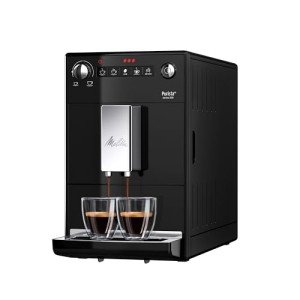
Understanding Dual Boiler Espresso Machines: A Comprehensive Guide
Espresso is an art as much as it is a science. For coffee enthusiasts and baristas alike, achieving the ideal shot of espresso requires precision and control over brewing variables. One of the most efficient methods to accomplish this accuracy is through using dual boiler espresso machines. This post digs into the performance, benefits, and factors to consider of dual boiler espresso machines for both beginners and knowledgeable coffee aficionados.
What is a Dual Boiler Espresso Machine?
A dual boiler espresso machine includes two separate boilers: one for developing espresso and the other for steaming milk. This design permits the user to brew coffee and steam milk concurrently, achieving optimum temperature control for both processes. This is crucial for creating lattes, coffees, and macchiatos, where both components are vital.
Table 1: Key Components of Dual Boiler Espresso Machines
| Component | Function |
|---|---|
| Espresso Boiler | Heats water to the ideal brewing temperature level (around 190 ° F) |
| . Steam Boiler | Heats up water to a higher temperature (around 250 ° F) for steaming milk. |
| PID Controller | Controls the temperature level of the boilers for accuracy developing. |
| Group Head | Where the coffee premises sit and hot water passes through. |
| Steam Wand | Delivers steam to froth milk. |
Advantages of Dual Boiler Espresso Machines
1. Synchronised Brewing and Steaming
The most significant benefit of dual boiler espresso machines is the capability to brew espresso and steam milk at the exact same time. This effectiveness is particularly useful in hectic environments, such as cafes, where speed and quality are paramount.
2. Consistent Temperature Control
Dual boiler machines often come with advanced PID (Proportional Integral Derivative) controllers that keep a consistent temperature level throughout the brewing process. Consistency is essential in espresso making to ensure the best extraction, hence boosting taste and fragrance.
3. Modification and Versatility
With two separate boilers, users can customize the temperature level settings for both espresso developing and milk steaming. This indicates various types of coffee, such as lighter or darker roasts, can be prepared completely to suit individual taste profiles.
4. Suitable for Advanced Techniques
For those thinking about latte art or other innovative strategies, a dual boiler espresso machine supplies the versatility to work with different milk textures while likewise extracting espresso. This flexibility makes it an attractive choice for baristas who wish to hone their abilities.
5. Durability and Durability
Numerous dual boiler machines are constructed with high-quality products created for longevity. They are typically made from stainless steel and feature long lasting components, making them a beneficial financial investment for anyone severe about coffee.
Downsides of Dual Boiler Espresso Machines
Despite their numerous advantages, dual boiler machines can have some drawbacks:
- Higher Cost: Dual boiler machines tend to be more expensive than their single-boiler equivalents, which might not appropriate for casual coffee drinkers.
- Size and Space: These machines might occupy more counter top area than others, making them less ideal for little cooking areas.
Table 2: Key Considerations When Choosing a Dual Boiler Espresso Machine
| Consideration | Explanation |
|---|---|
| Budget | Dual boiler machines can vary from ₤ 1,000 to over ₤ 4,000. |
| Size | Examine your cooking area area before purchasing. |
| Brand name Reputation | Try to find well-reviewed brands with good client support. |
| Features | Consider what functions are necessary (e.g., PID controller, volumetric choices). |
| Maintenance | Some machines might need more regular upkeep than others. |
FAQs
1. Are dual boiler espresso machines worth the investment?
Yes, they are worth the financial investment for major coffee lovers or professional baristas who value accuracy in espresso extraction and milk steaming.
2. How do I maintain a dual boiler espresso machine?
Regular maintenance consists of descaling the machine, cleaning up the group head, and guaranteeing that the steam wand is free of milk residue. Seek advice from the manufacturer's manual for particular guidelines.
3. Can I use a dual boiler espresso machine for other developing approaches?
Usually, dual boiler machines are created generally for espresso. Nevertheless, they can typically brew quality drip coffee and other designs with the best settings and adjustments.
4. What brands are known for their dual boiler machines?
Some trusted brand names include La Spaziale, Breville, and ECM. Each brand has its own distinct functions and rates.
5. What is Home Espresso Machines of a dual boiler espresso machine?
With appropriate care and maintenance, a dual boiler machine can last over a decade, making it a long-lasting financial investment for coffee fans.
Dual boiler espresso machines represent the peak of espresso-making technology, merging art and science into one compact gadget. While they need a greater preliminary investment and more counter top space, the benefits they provide-- such as synchronised brewing and steaming, precise temperature control, and durability-- make them perfect for serious coffee enthusiasts. Comprehending the workings, benefits, and considerations for these machines will allow customers to make educated choices and raise their coffee brewing experience. Whether in your home or in a busy café, a dual boiler machine can truly enhance the art of espresso.